



























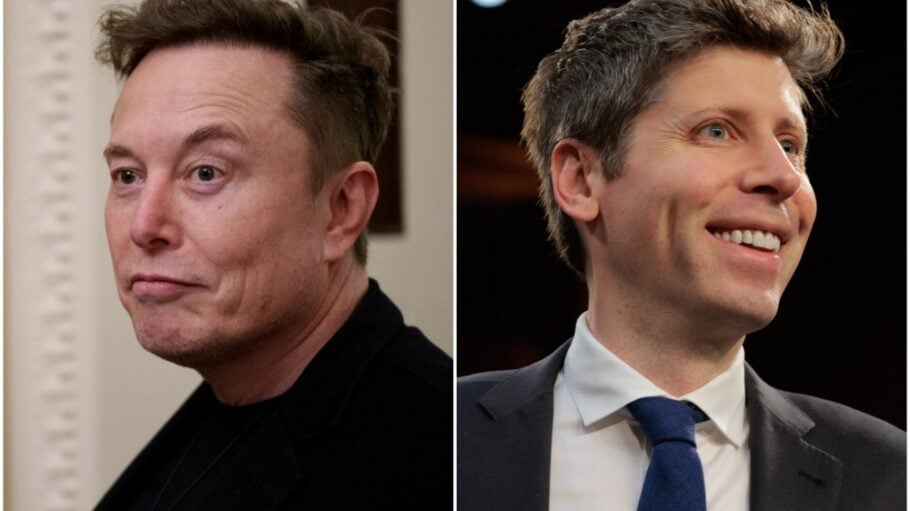
Elon Musk’s lawsuit accusing AI powerhouse OpenAI of violating its charter as a charitable organisation was unanimously rejected by a federal jury.
The nine-member jury in federal district court in Oakland, California, on Monday unanimously found that Musk’s allegation against OpenAI and execs Sam Altman and Greg Brockman claiming a “breach of charitable trust” was barred by the statute of limitations. Musk also had accused Microsoft, a major OpenAI investor, of “aiding and abetting” OpenAi’s breach of charitable trust; the jury similarly decided that too was was barred by the statute of limitations.
Musk — currently the world’s wealthiest individual with an estimated net worth upwards of $800 billion — sued OpenAI in 2024 alleging the company abandoned its original nonprofit mission to benefit humanity in favor of maximizing profits for Microsoft. He also filed a related lawsuit seeking to block OpenAI’s conversion to a for-profit entity. In his lawsuit, Musk alleged the OpenAI execs “stole a charity” and called OpenAI’s shift away from its nonprofit mission a “textbook tale of altruism versus greed.”
Musk said he will appeal the verdict.
Commenting on X, Musk wrote that the judge and jury “never actually ruled on the merits of the case, just on a calendar technicality. There is no question to anyone following the case in detail that Altman & Brockman did in fact enrich themselves by stealing a charity. The only question is WHEN they did it!” He said he will be “filing an appeal with the Ninth Circuit, because creating a precedent to loot charities is incredibly destructive to charitable giving in America. OpenAI was founded to benefit all of humanity.”
Musk had provided initial funding for OpenAI and was seeking $150 billion in damages. Musk also wanted Altman to be removed from OpenAI’s board of directors and had sought to have OpenAI reverted to a not-for-profit company. Musk exited the OpenAI board in February 2018, which OpenAI said at the time would eliminate a conflict of interest as Tesla (where Musk serves as CEO) began focusing on AI.
In 2023, Musk launched his own AI company, called xAI. Musk’s lawsuit was motivated by “sour grapes,” William Savitt, OpenAI’s lead counsel, said in his opening statement during the trial, per the New York Times: “We are here because Musk didn’t get his way at OpenAI. My clients had the nerve to go on and succeed without him.” Musk’s SpaceX earlier this year bought xAI, which had previously acquired X (formerly known as Twitter).
Love Film & TV?
Get your daily dose of everything happening in music, film and TV in Australia and abroad.

After a three-week trial, the jury found that Musk was aware of OpenAI’s shift to a for-profit company as far back as 2021. Since he had filed his suit in 2024, Musk’s claims were therefore past the three-year statute of limitations on bringing such a legal complaint, according to the jury’s decision.
In court, Musk’s lead attorney Steven Molo, told U.S. District Judge Yvonne Gonzalez Rogers that he reserved Musk’s right to appeal. However, Gonzales Rogers said that she was prepared to dismiss an appeal “on the spot,” CNBC reported.
In a statement, a Microsoft rep said, “The facts and the timeline in this case have long been clear, and we welcome the jury’s decision to dismiss these claims as untimely. We remain committed to our work with OpenAI to advance and scale AI for people and organizations around the world.”
From Variety US