





























How the mighty Robot has faltered.
J.J. Abrams’ Bad Robot production banner is slimming down operations and relocating to New York after more than 20 years in Los Angeles and Santa Monica. The trimming of the sails comes amid a particularly rocky run for Bad Robot, with several ambitious projects featuring high-wattage talent getting a hard pass or stuck in development hell.
Most recently, those have included a “Justice League Dark” series that would have tied in with shows built around DC characters; “Overlook,” a prequel to “The Shining”; and the crime drama “Duster.” Abrams also got a series order at HBO Max in 2021 for the thriller “Subject to Change.”
Of those projects, only “Duster” made it to air for one season. Bad Robot also produced the animated series “Batman: Caped Crusader,” which was set up at HBO Max before being scrapped and later sold to Amazon. Then there was the planned big-budget fantasy vehicle for HBO, “Demimonde,” that had a series order and Danielle Deadwyler attached. But by the end of 2022 it was axed amid David Zaslav’s cost-cutting campaign at Warner Bros. and HBO.
Film output from Bad Robot has been lackluster. It was seven years ago that Abrams assumed the mantle of “Star Wars” and delivered “The Rise of Skywalker,” a billion-dollar grosser that cost about half that to make. The chasm since has been filled with left-field docs like “Elizabeth Taylor: The Lost Tapes” and streaming actioners like “Lou.”
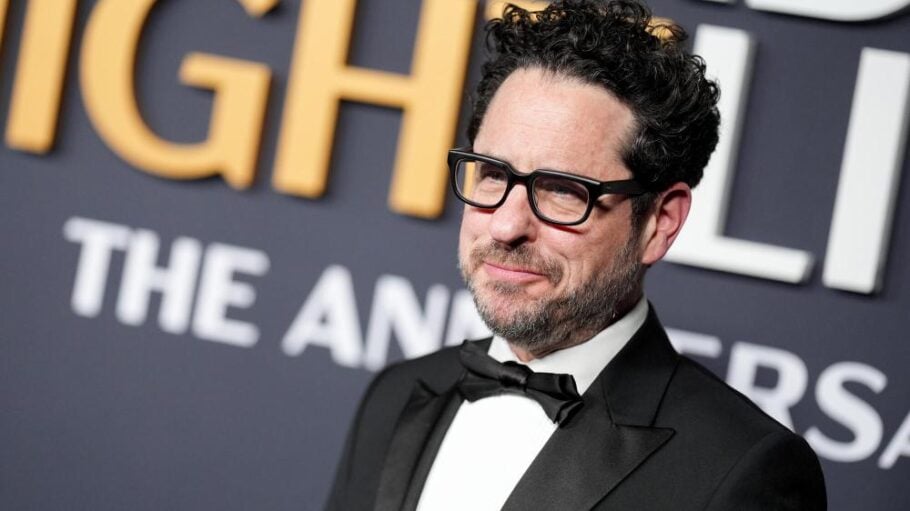
The bespectacled Abrams will finally reemerge this year as the producer of Anne Hathaway’s “The End of Oak Street” and as director on Glen Powell’s “The Great Beyond,” both at Warner Bros.
Representatives for Bad Robot declined to comment.
Love Film & TV?
Get your daily dose of everything happening in music, film and TV in Australia and abroad.

Bad Robot’s belt-tightening reflects sharp changes in the marketplace for top producers in the years since COVID and the 2023 strikes. Studios and streamers have slashed spending on big-budget long-term deals designed to produce the next “Seinfeld” or “Stranger Things.” Those rich eight-figure pacts became measures of status for the busiest showrunner-producers (think Dick Wolf, Ryan Murphy and Shonda Rhimes) in the 1990s and 2000s, but now are disappearing fast.
A-list talent are still commanding eye-popping paydays. But the deals are done project by project, rather than via the older model of pacts that paid out millions in development funds and compensation over three or four years. Those deals could be rationalized in an era when one hit the size of “Grey’s Anatomy” or “Two and a Half Men” could bring a studio $500 million-plus in syndication profits. But streaming has changed all that, meaning there’s less largesse in the system flowing to above-the-line talent.
But there was a time when it did.
In 2006, Bad Robot was at the forefront of jaw-dropping dealmaking by studios eager to lock up hotshot multi-hyphenates in exclusive contracts. And Abrams was positively volcanic by mid-2006. He’d revived Tom Cruise’s “Mission: Impossible” dreams after writing and directing that year’s “M:I 3.” His ABC series “Lost” was pushing creative boundaries, drawing huge Nielsen numbers and defying FYC gravity as a genre show whose first season won the best drama Emmy.
Amid this perfect storm, Abrams’ agents struck two very rich deals — one for film (at Paramount Pictures) and one for TV (at Warner Bros. Television). The pacts were unveiled the same day (July 14, 2006) for maximum impact.
Abrams bought a building in Santa Monica and set out to turn Bad Robot into a next-generation content factory. In 2020, Bad Robot capitalized on another moment in time to strike a megabucks renewal deal with WBTV — but momentum has observably subsided within the once-utopian Bad Robot offices (complete with a private chef and movie stars working in residence).
Insiders close to Abrams and Katie McGrath, his wife and co-CEO, note the pair had been looking to “downsize” the operation for some time. While their pivot to New York is confusing to some — the couple recently completed an extensive renovation on a house in the L.A. power enclave of Rustic Canyon — one source with knowledge of Abrams says he no longer wishes to play mogul.
“J.J. is a tinkerer,” the source says. “He wants to go back to making stuff.”
Cynthia Littleton contributed to this report.
This story originally appeared in the April 8 print issue of Variety.
From Variety US