























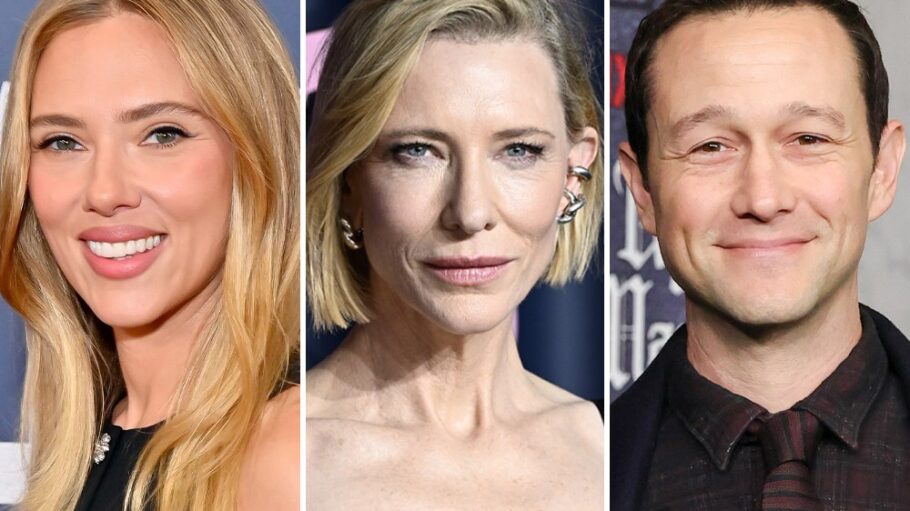
More than 700 artists, writers and creators, including Scarlett Johansson, Cate Blanchett and Joseph Gordon-Levitt, have united behind a new anti-AI campaign calling out the tech companies exploiting copyrighted work without permission.
While lawmakers on both sides of the Atlantic are weighing new regulations around AI training data, the campaign argues that “Stealing our work is not innovation. It’s not progress. It’s theft – plain and simple.”
For Johansson, Blanchett, Gordon-Levitt and hundreds of others, the importance of fighting for authorship is not only meant to protect their own interest but also the U.S. creative sector as a whole, spanning film, television, music, publishing and digital media, which “supports millions of jobs, fuels economic growth and projects cultural power globally,” says the statement. That ecosystem is being threatened, the letter notes, due to AI developers scraping creative work, often without authorization, compensation or transparency.
“America’s creative community is the envy of the world,” the statement reads. “But rather than respect and protect this valuable asset, some of the biggest tech companies – many backed by private equity and other funders — are using American creators’ work to build AI platforms without regard for copyright law.”
The campaign urges companies to strike content deals or partnerships, like some have already done.
“A better way exists,” the statement says, arguing that responsible licensing deals can allow AI to advance while still respecting creators’ rights. “It is possible to have it all. We can have advanced, rapidly developing AI and ensure creators’ rights are respected.”
Johansson has been vocal against the dangers of AI before, and has been fighting back against the recreation of her likeness for years. In Feb. 2024, she issued a statement slamming a viral video in which an AI version of herself, along with other celebrities, appears to protest Kanye West‘s antisemitic posts. She also took legal action in November 2023 against an AI app that used her name and likeness in an online advertisement without permission; and condemned OpenAI in May 2024 for using her voice from Spike Jonze’s 2013 movie “Her” as inspiration for a GPT-4o chatbot named Sky.
Love Film & TV?
Get your daily dose of everything happening in music, film and TV in Australia and abroad.

Blanchett, meanwhile, has spoken about AI several times, including at Toronto in 2024, during a conversation with TIFF CEO Cameron Bailey. She said, “I think it’s really important to discuss any new technology. I think we should be very cautious with it, because innovation without imagination is a very, very dangerous thing.”
Last year, Blanchett and Gordon-Levitt were among 400 Hollywood filmmakers, writers, actors and musicians who signed an open letter to the Trump White House’s Office of Science and Technology Policy, urging the administration to not roll back copyright protections at the behest of AI companies.
Here’s the full statement:
Stealing is not innovation.
America’s creative community is the envy of the world and creates jobs, economic growth, and exports.
But rather than respect and protect this valuable asset, some of the biggest tech companies, many backed by private equity and other funders, are using American creators’ work to build AI platforms without authorisation or regard for copyright law.
Artists, writers, and creators of all kinds are banding together with a simple message: Stealing our work is not innovation. It’s not progress. It’s theft – plain and simple.
A better way exists – through licensing deals and partnerships, some AI companies have taken the responsible, ethical route to obtaining the content and materials they wish to use. It is possible to have it all. We can have advanced, rapidly developing AI and ensure creators’ rights are respected.
From Variety US