




























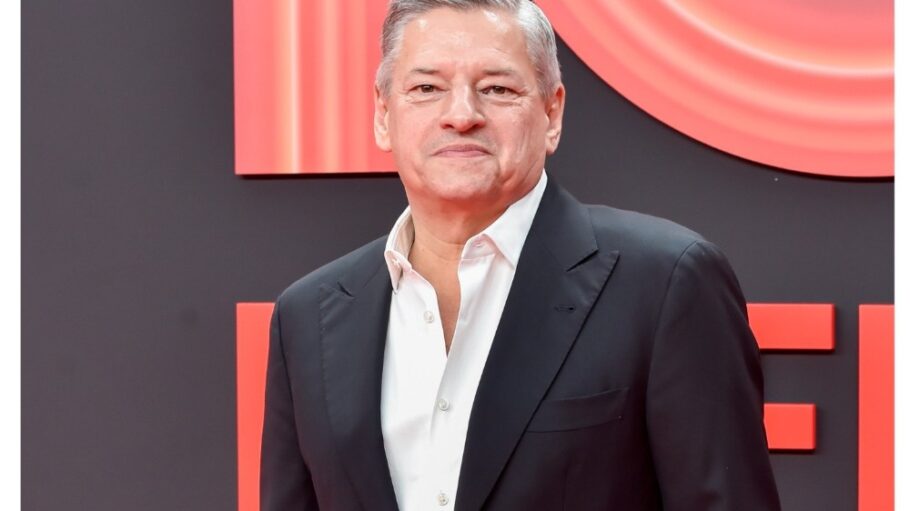
Netflix co-CEO Ted Sarandos made a surprise appearance at Canal+‘s The Original+ showcase in Paris on Tuesday, seeking to calm French industry fears about the streaming giant’s $83 billion acquisition of Warner Bros. by pledging to maintain the studio’s traditional theatrical distribution model.
Speaking with Maxime Saada, chair and CEO of Canal+, Sarandos sought to reassure the French market about Netflix’s intentions following the bombshell deal that sent shockwaves through the exhibition sector.
“Our intentions when we buy Warner Brothers will be to continue to release Warner Brothers studio movies in theaters with the traditional windows,” Sarandos said during the conversation. “Then those movies would flow through the Canal+ output deal. That’s very exciting for us.”
The comments mark a significant shift in messaging for Netflix, which has long clashed with theatrical exhibitors over its preference for simultaneous or shortened theatrical windows. Sarandos emphasized that Netflix never previously engaged in traditional theatrical distribution “because we just never owned the actual distribution mechanism before.”
“We were monetizing the movies through our own subscription, because that’s how we were growing the business the fastest,” he explained. “We started looking at this company, you see things like the television studio that produces for other people, the studio that puts out movies in theaters – first, all those things, those are very good businesses. They’re very healthy businesses, and we didn’t want to do anything that would harm the value of those businesses.”
Sarandos stressed that Warner Bros. Studios will continue to operate independently under Netflix ownership, releasing movies traditionally in cinema. “I know it’s very important to the people in France and around the world that people have the opportunity to see the films in cinema, and we intend to support it fully,” he said.
The appearance comes as French exhibitors have raised alarm about the acquisition’s potential impact on the country’s theatrical ecosystem. Richard Patry, president of France’s National Exhibitors Association, told Variety last week that the guild “will fight back” and called for antitrust regulators to scrutinize the deal carefully.
Love Film & TV?
Get your daily dose of everything happening in music, film and TV in Australia and abroad.

France represents a particularly complex market for Netflix, where stringent windowing regulations require the streamer to wait 15 months after theatrical releases before offering films on its platform. The country’s regulatory environment has been a source of ongoing tension, leading Netflix to abandon the Cannes Film Festival competition after 2017.
During the Canal+ conversation, Saada acknowledged the partnership’s evolution, noting that Netflix and Canal+ have maintained a relationship that has been “80% partners and maybe 20% competitors.” He questioned whether the balance might shift as Netflix expands into live programming and sports.
Sarandos downplayed competitive concerns, emphasizing that Netflix’s sports strategy focuses on “eventized and specialized” content like boxing matches and holiday football games rather than full league rights. “Our primary mission is film and television and increasing the games, but I don’t see us being flipping from 80 to 20 or 20 to 80,” he said.
Saada credited Netflix with expanding France’s paid television market, noting that the streamer’s arrival helped increase market penetration from 30% to 75%. “You basically doubled the market size in France,” he told Sarandos.
On the Warner Bros. acquisition specifically, Saada expressed surprise given Netflix’s historical stance as “more builders than buyers.” Sarandos explained that the deal addresses gaps in Netflix’s relatively young library and production capabilities.
“We’ve only been doing original programming about 12 years, and we’ve been moving very fast,” Sarandos said. “So building a library as fast as we can, building out IP as fast as we can. Our library only extends back a decade, where Warner Brothers extends back 100 years. They know a lot about things that we haven’t ever done, like theatrical distribution.”
He noted that Warner Bros. possesses valuable knowledge in areas Netflix has not explored, including the television studio’s third-party production business and traditional theatrical distribution infrastructure.
Despite France’s challenging regulatory environment for streamers, Sarandos offered a nuanced view of operating in the market during the upfronts conversation. “I would say that France is a very complicated place to work, but love is complicated,” he said. “We love France.”
In a separate conversation with Variety on Monday night at the red carpet premiere of “Emily in Paris” Season 5, Sarandos expressed his affection for France despite the country’s stringent regulations on streaming platforms.
Sarandos also addressed the streaming landscape’s evolving competition during the upfronts, acknowledging that platforms like YouTube, TikTok and Instagram are vying for the same screen time as traditional television and film. “What we’re doing constantly is trying to fight for attention. We’re trying to fight for joy. We’re trying to create joy with people so picking the program and executing it perfectly for them, so that they love it and want to come back for more,” Sarandos said.
“We’re competing against all kinds of things that are ending up on that screen now, including YouTube. I think that if you look at YouTube and TikTok and Instagram and all the different things that you could do on a screen, I love that people of all ages still very much enjoy professional films and television, but we have to continue to fight against all the competitors that are coming at us from all different directions and all different business models.”
He added that this competitive landscape explains Netflix’s continued commitment to video games, citing audience demand for interactive content that provides user agency.
The Warner Bros. acquisition faces regulatory approval in both the U.S. and Europe, with French exhibitors among the stakeholders calling for careful antitrust scrutiny. The deal, if approved, would mark one of the largest media consolidations in recent years and fundamentally reshape Netflix’s business model to include traditional theatrical distribution for the first time in the company’s history.
From Variety US