





























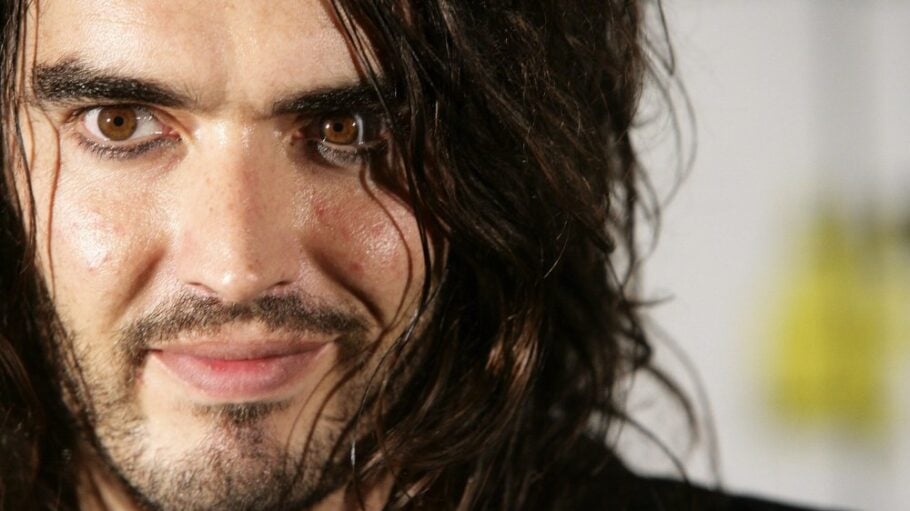
“Russell Brand: Open Secret,” which includes testimony from ex-partners and fellow comedians, charts not only Brand’s career but also the media climate than enabled him to flourish despite effective hiding in plain sight.
Hours after the doc debuted on Netflix, director Olivia Isaacs (“The Other Mrs Jordan: Catching the Ultimate Swindler”) sat down with Variety to discuss the process of making the film while his trial was looming, whether it was easy to find contributors and if she’s worried about backlash.
When did you start working on this?
November 2023, so two months after the allegations broke.
This was pre-police investigation. It was very early days, so our whole focus was we’ve got this man, this huge celebrity, and now these allegations. Is there a wider, broader piece to be done? He’s a big Noughties figure. We wanted to look at the cultural backdrop. We weren’t sure what was going to happen to him, so it was a quite interesting moment.
Once he’s charged, the media in the U.K. isn’t allowed to publish or broadcast anything that could prejudice the trial. How did that impact your process?
We were never going to rush the process anyway. So we were still very much in our first throes of production at that point, and the moment they announced an investigation, we thought “We do not want to impact any future trial.” We were acutely aware that there might be charges any minute, and then after the charges we didn’t know the timeframes but there would be a trial. So I think we were just always trying to be responsible filmmakers and mitigate against that.
The documentary examines the course of Brand’s career but doesn’t go deep into the recent criminal court case. Did you consider bringing more of the case into it?
There was a discussion: do we follow it? But I think we felt like we had a bigger message and bigger broader understanding to get out there…. and I think we wanted to add our voice in within this moment rather than wait.
Love Film & TV?
Get your daily dose of everything happening in music, film and TV in Australia and abroad.

Netflix have released the doc just over a week after Brand was convicted. What would have happened if he had been acquitted of all the charges? Was there a different cut ready to go?
I think we are very aware that legally if someone’s found innocent then you are in a different legal scenario … that does make it more difficult to publish. If he’d gotten let off, we potentially were looking at maybe we’d have to do a reversion down the line. But then we thought, what’s our story? You know, what are we adding to this culturally at that point? We never knew what was going to happen but we made the film with the mindset of “This would likely go out with some sort of guilty verdict” but there was a lot hinging on what that might look like and then our duty of care to the people within the film.
How ready was it by the time the verdict came in?
It was more or less 99.9% ready. And then we had the end cards, we wanted to put the sentencing and things in. There were a couple of tiny things that we had to double check legally.
How easy was it to find contributors?
As we all know, there’s been a landscape of fear. It’s been a litigious minefield for many years, reporting anything on Brand. So despite some people coming forward, everyone was still in that mindset. It wasn’t definitely easy. “Easy” would never be the word I’d use for this. It took a lot of building trust and a lot of conversations, and even then, many people didn’t feel comfortable. There were a lot of nerves and fear, and they’d been in their minds silenced up until now, or had signed NDAs, or you know, there were lots of complexities to it. So it was a slow process of speaking to as many people as possible.
Was there anyone in particular that you’d hoped to speak to that you couldn’t get for this?
We were open-minded and led by the access and who was willing to speak. I mean, of course, for me as a filmmaker, I’d always like to hold people to account as well and hear from that side and unfortunately those people did not want to sit in front of the camera and take accountability. I’d say there’s many people from that side that we would have liked to [speak to] or wished that they just taken that moment to sort of acknowledge it and, as I say, take accountability. I think that is probably the most lacking voice out there at the moment, never mind the film.
You mean the people around him who enabled him and protected him?
Exactly. You know, agents, exec producers, people who are minding the talent. People giving him the work.
One thing the documentary shows really clearly is how Brand would morph into whatever persona was the most expedient, particularly when he moved into political influencing, first on the left and then the right. How did you approach that?
He’s had all these different personas and guises and so that was always my first thought, aside from the allegations, [that was] fascinating to me.
And then, of course, because we were [making it] over three years, you were able to sort of chart this backlash to the Me Too movement that we were acutely living in and still are living in, and the development of the “manosphere” and this far-right conspiracy space, and Russell turning up into that space. So for me, I was fascinated that his story takes us into the story of now and the [current political] “dividedness,” and it wasn’t necessarily a sensitive space to exist in, but just interesting, I guess.
I’ve heard Netflix are good at providing support to documentary-makers covering subjects with very passionate fan bases. Have they been supportive to you given Brand’s fanbase (some of whom turned up to court to support him) can be very vocal?
I think there was always a sense from day dot the duty of care around everyone off camera as well, and supporting everyone through that. I think the industry’s got better at doing that too. We had trauma-informed training early on, both for us and for the contributors that we knew we’d be speaking to, as well as other bits of training just around the management of what we might be listening to and watching for such a long period of time, so it felt like there was a lot of support in general, not necessarily, you know, acutely around any backlash and things.
But Netflix are amazing at providing online security guidance and support. They’ve got teams that check out your profile online and make sure that you’re not accidentally revealing your address anywhere and things like that. So it felt like there was a nice web of support around myself and the whole team. But I don’t think we’ve [had] any scaremongering to worry too much about the fans. There’s always going to be people online. It’s already dividing everyone’s opinion on socials.
This interview has been edited and condensed.
From Variety US