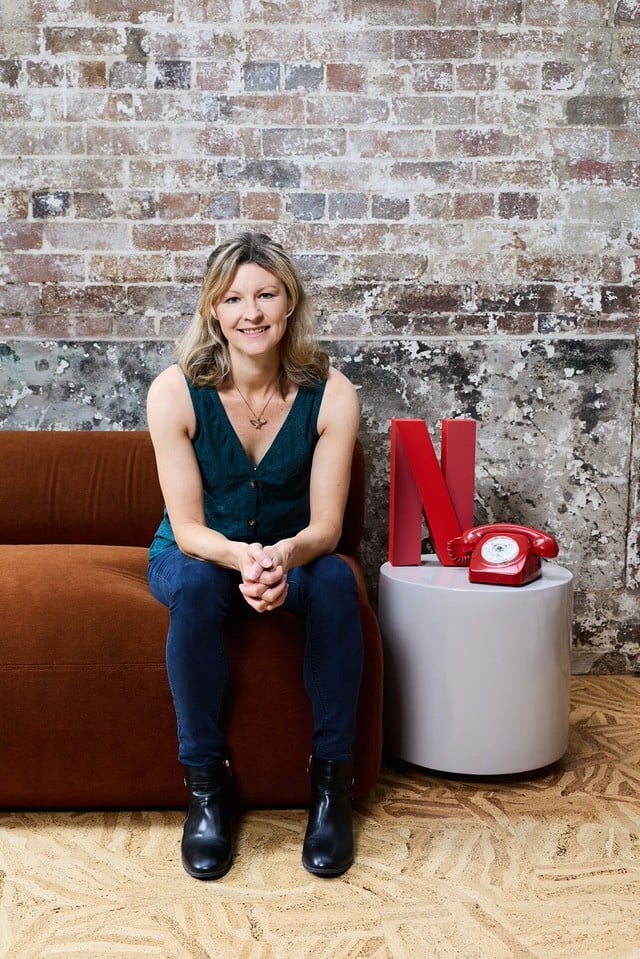



























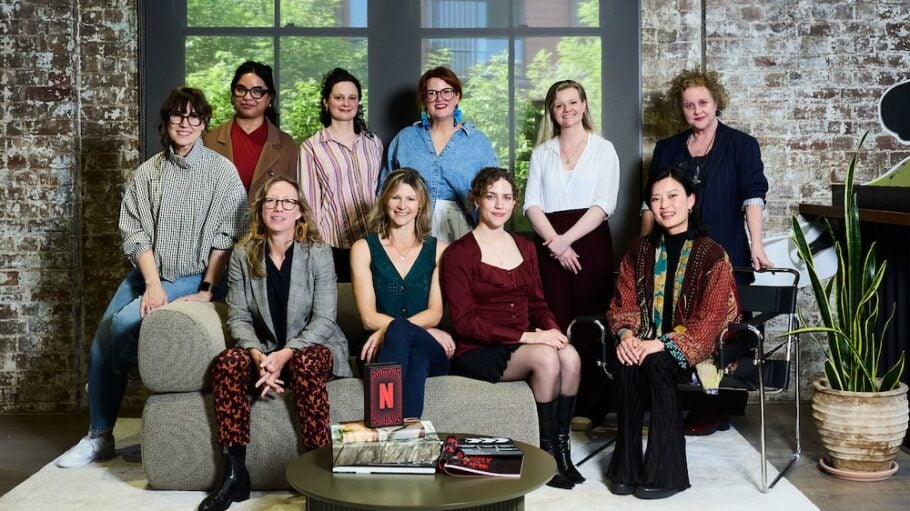
Eight emerging Australian screenwriters have had the rare opportunity to pitch their original projects directly to Netflix this week.
The finalists shared their experiences with Variety Australia, opening up about the challenges of breaking into the industry, the importance of diverse storytelling and what they hope to bring to Australian screens.
The writers, representing every Australian state and territory, travelled to Netflix ANZ’s Sydney headquarters this week for ‘The Next Brilliant Career’, an initiative launched in partnership with the Australian Writers’ Guild and the country’s eight state and territory screen agencies.
As Netflix ANZ Content Director Amanda Duthie recently told Variety Australia, the program was designed to give emerging writers direct access to commissioners without the usual requirement of having a producer attached to their projects.
Selected from hundreds of submissions, the eight finalists bring experience spanning film, television, documentary, theatre and international productions. Speaking to us following their pitches, the writers reflected on the significance of the opportunity and the challenges facing Australia’s next generation of screen storytellers.
For Victorian writer-director Theresa Angela, the chance to present her work directly to Netflix executives was particularly meaningful. “It’s taken me so long to find my voice as an artist and a writer,” she said. “But to sit in a room with Amanda and Catherine and make sense, and they ask me engaging questions, that has been really validating.
“I think just in the universal themes of it all, it’s just women have been taught to question themselves and their stories and how they see the world. So this initiative just is amazing and it needs to just keep happening.”
Love Film & TV?
Get your daily dose of everything happening in music, film and TV in Australia and abroad.

Australian storytelling was a recurring topic throughout the conversations, with the finalists offering different perspectives on what it means to create stories that feel authentically local. Queensland-based Chinese-Australian writer-director Rae Choi said her own experience had shaped her understanding of Australian identity and the stories she wants to tell.
“I am Australian. I was born here. I was raised here,” she said. “And while I’ve not always felt like who I am is the model picture of what Australians look like, I think the more I’ve tapped into and explored and understood myself better, the more I kind of can accept that that is a version of Australia.”
For Northern Territory writer-director Rebecca Parker, however, the industry’s emphasis on defining Australian storytelling can sometimes be limiting. “Putting artificial limitations on what is Australian I think has led down some roads that are pretty daggy and not really real either,” she said. “I would hope that it’s just naturally there because we don’t start performing Australian, which is the worst possible thing we could do.”
Parker also questioned the current commissioning landscape, arguing that original ideas can struggle to find support. “I think the market at the moment is quite conservative in Australia,” she said. “I would love to see the commissioners and the broadcasters commissioning something other than outback crime dramas and remakes.
“There’s always writers wanting to tell their own story. It’s just whether the people with the money think that there’s an audience there to hear it.”
Meet the Eight Finalists
Elyse Landsberry — New South Wales
An AFTRS graduate, Landsberry has written and directed more than ten short films, including “Miss Trial,” which won Best International Film at the 2024 Atlanta Women’s Comedy Film Festival. Her credits also include the SBS documentary “Drawing the Line” and her debut feature “Black Prince,” starring Jack Thompson.
Speaking about the finalists’ different creative approaches, Landsberry said: “I just love the diversity of the stories. Australia is just an amazing hot pot of different people and different stories.”
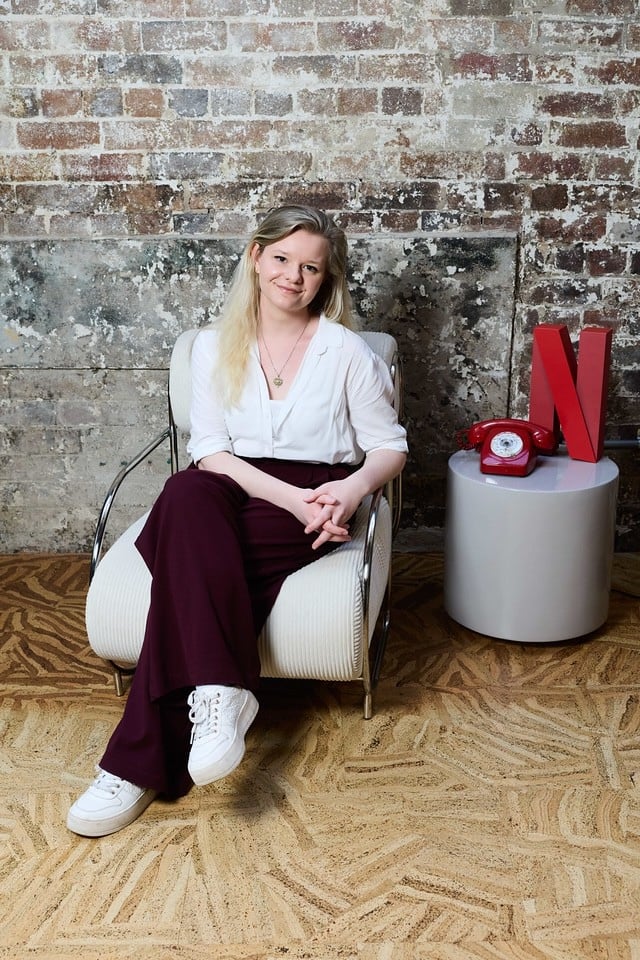
Theresa Angela — Victoria
A Filipino-Australian writer, director and visual artist, Angela’s work explores culture, identity, belonging and power, often through dark humour and surreal imagery. Her films “FLACCID,” “YES SIR/SORRY MA’AM” and “THE HOLY WHORE” have screened at the Melbourne Women in Film Festival.
Reflecting on growing up in Melbourne, Angela said she rarely saw her own experiences represented in Australian media. “When I’m creating something, I need to honour my own background, but I don’t know who to follow,” she said, adding that she is excited to see a new generation of storytellers develop voices that reflect their cultural backgrounds without borrowing from American or British storytelling.
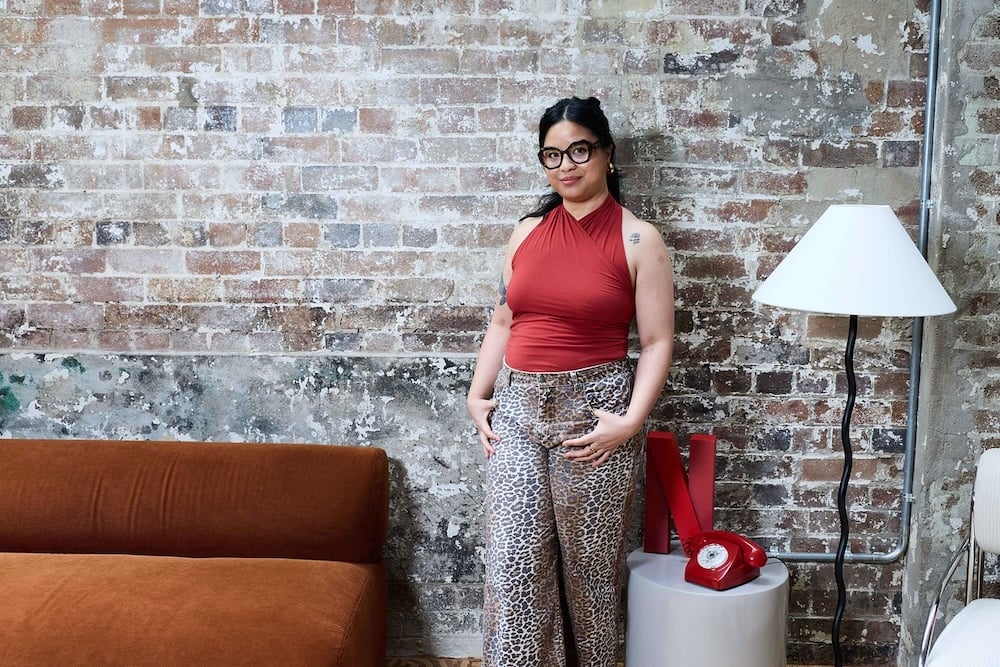
Rae Choi — Queensland
Choi’s debut short “When the Sky Was Blue” received nominations for Australian Writers’ Guild and Screen Producers Australia awards. She has since worked on ABC’s “Viv’s Silly Mango” and is developing the SBS Digital Originals series “In Her Body” and debut feature “Days Under the Sun.”
She said telling Australian stories means embracing different cultural perspectives without feeling the need to explain or diminish them for audiences. “Being proud of that and writing from that place without minimising it or flattening it or making it smaller, but actually just being really loudly and proudly who we are,” she said.
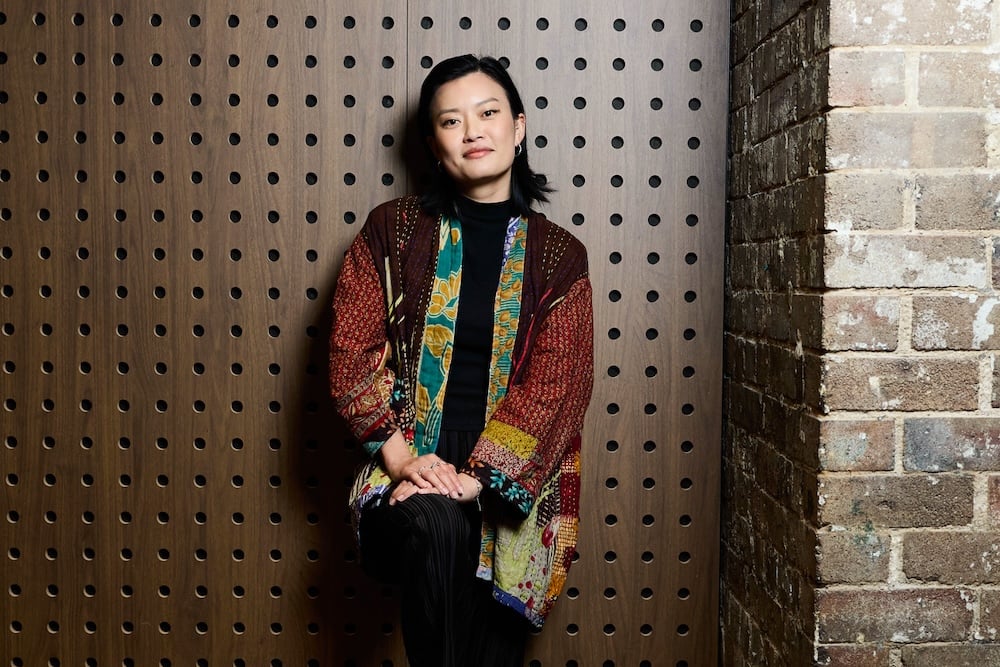
Scarlett Scherer — South Australia
Scherer’s short films have screened at Adelaide Film Festival, Flickerfest and Melbourne Queer Film Festival, while her latest project is a coming-of-age feature set in Berlin. She also worked as a director’s assistant on Netflix’s “My Brilliant Career.”
“This is very serendipitous, very cool,” she said of returning to Netflix as a finalist. “I have a lot of admiration for what they did with that show, and it feels very special to be lifted up by that and buoyed by that as I move into making my own things.”
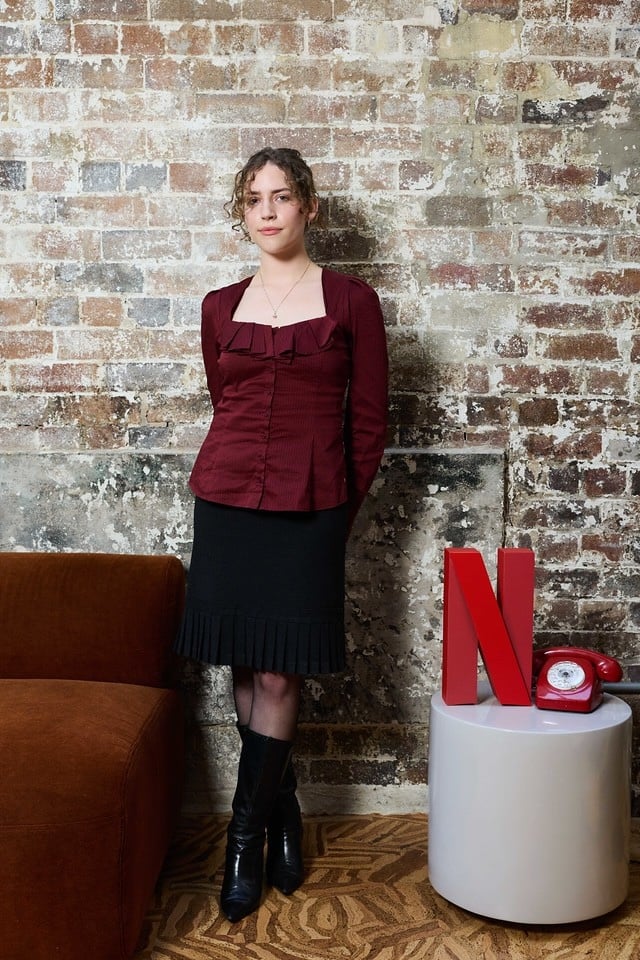
Jamey Claffey — Western Australia
Claffey has worked in script development across BBC TV Drama Commissioning and BBC Studios, with credits including “River City” and “The Replacement.” Her comedy romance pilot “Archetypal” received the Bold Voice Award from Writers Lab International in 2025.
She believes distinctly Australian humour can be a strength when reaching international audiences, pointing to Heartbreak High as an example. “What I find exciting about the Australian thing is using local dialect and local jokes that will still translate overseas because that’s what feels fresh about it to an overseas audience,” she said.
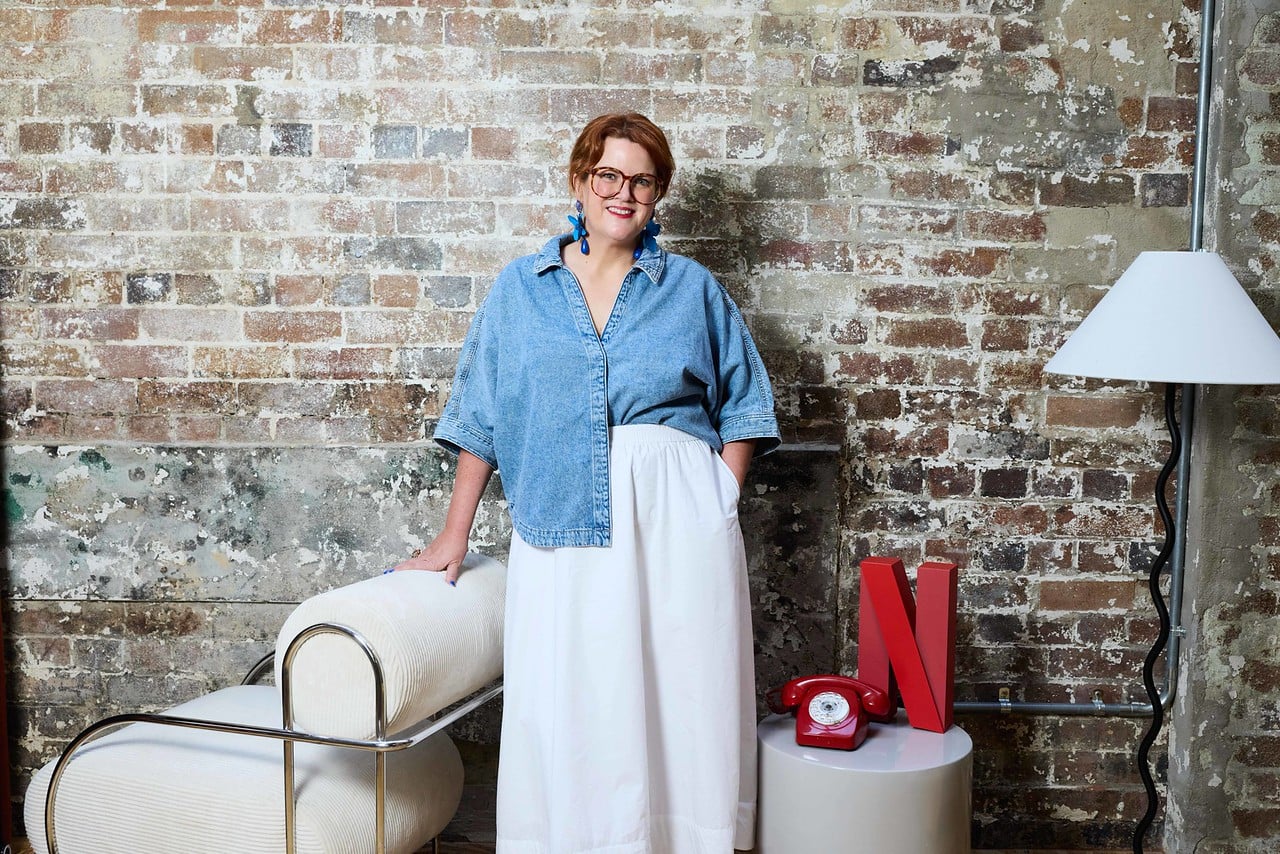
Caitlin Richardson — Tasmania
Richardson created and wrote the award-winning SBS series “The Tailings,” while her work across theatre and screen frequently draws on her connection to Tasmania.
“Tassie has a pretty distinctive character and I think there’s a certain identity of being a Tasmanian and I think that kind of flows through in the kind of creative work that happens down there on the island,” she said.
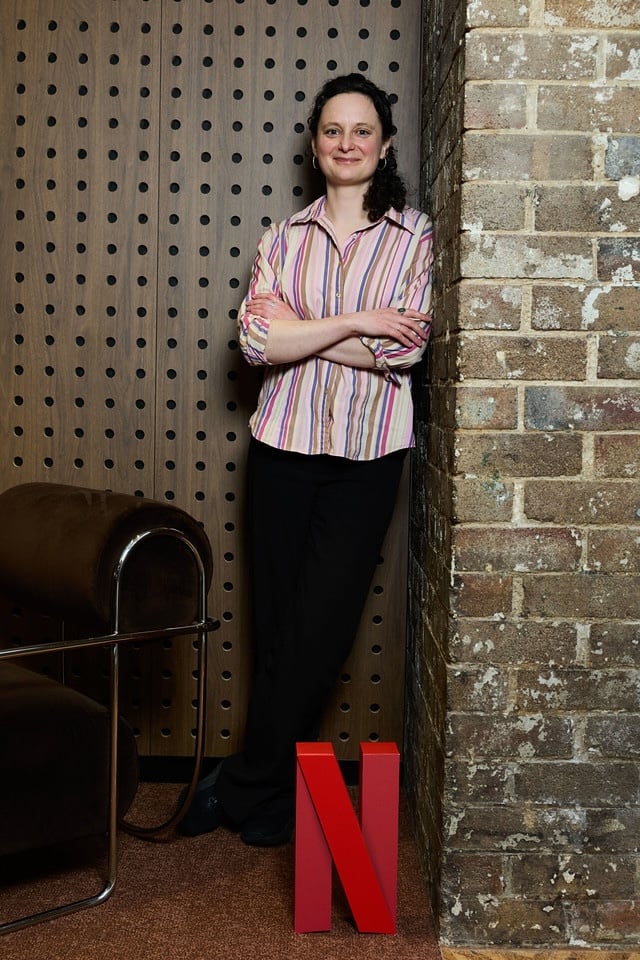
Rebecca Parker — Northern Territory
A former photojournalist and political adviser, Parker has worked on productions including Netflix’s “Territory,” “Top End Bub” and “Deadloch” Season 2. She also co-founded Honey Ant Productions, which focuses on female-led, First Nations and regional stories.
Parker said access to decision-makers remains a major challenge for writers attempting to establish themselves. “Writers just need those first few credits, really,” she said. “A lot of the time they’ve been writing for years, and it’s just about access to the industry and rooms.”
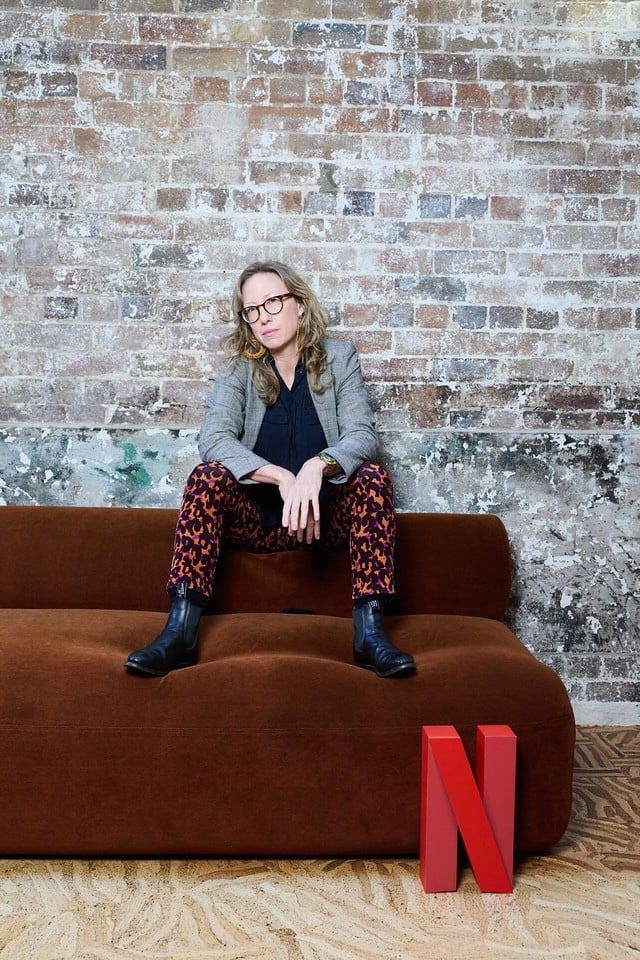
Denai Grace — Australian Capital Territory
Grace’s credits span film and television, including the Shudder anthology “Deadhouse Dark” and features “Break A Leg,” “It Will Find You” and “Snatchers.”
For Grace, the initiative addressed a gap in existing development opportunities, particularly for writers who have experience but are yet to establish themselves at a higher level. “A lot of the initiatives that they run has either been, I’ve been overqualified or not qualified enough, and you sit in this chasm,” she said.
“And this opportunity broke that mould. And that for me was just wonderful.”