



























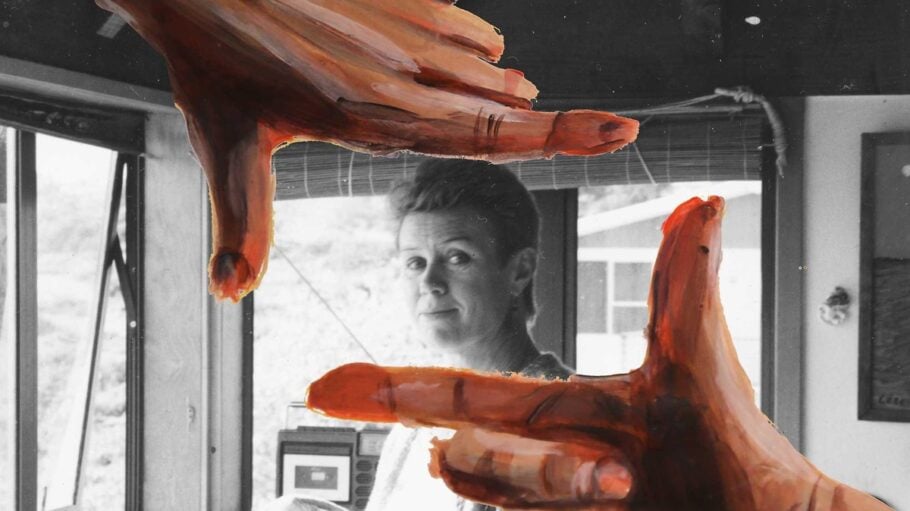
Never mind separating the art from the artist, how does one separate their mother from mythos?
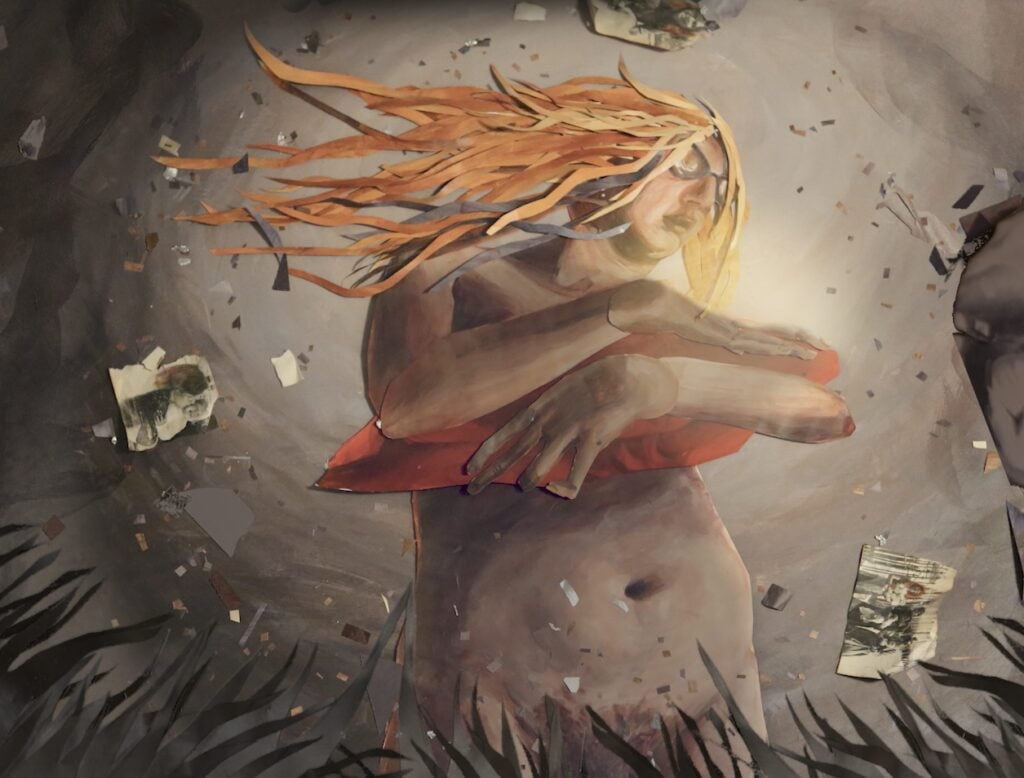
That’s a vital question documentarian Gwen Isaac is asking in her brilliant new film, Be Merry. “I always knew my mother was, as writer Arundhati Roy describes it, my shelter and my storm,” she says.
The ’80s were a vastly different time in Aotearoa New Zealand. Isaac grew up in that decade in the Far North town of Kororāreka Russell, where mental illness was misunderstood, if understood at all. She was raised by Merrilyn — nicknamed “Mad Merry” in the town — a vivacious and talented painter who battled bipolar disorder.
“Our relationship was characterised by her illness, and the lack of understanding surrounding bipolar disorder,” Isaac admits.
Making a film as deeply personal as Be Merry was always going to present challenges for the documentarian. When I ask Isaac if she always had it in mind to make a film about her mother, she’s hesitant. “I even find it difficult now, to answer this question because I didn’t want to make a film about her, I needed to process my time with her through my creative outlet.
“The filmmaking was my radical and creative way to come to terms with the very thing that shouldn’t define her life — her challenges related to not only having bipolar disorder, being a single mother, and being a voracious and uncompromising artist. As I say in the film, ‘she was my origin story,’ and now, my muse. She would so love all of this, so one has to smile.”
View this post on Instagram
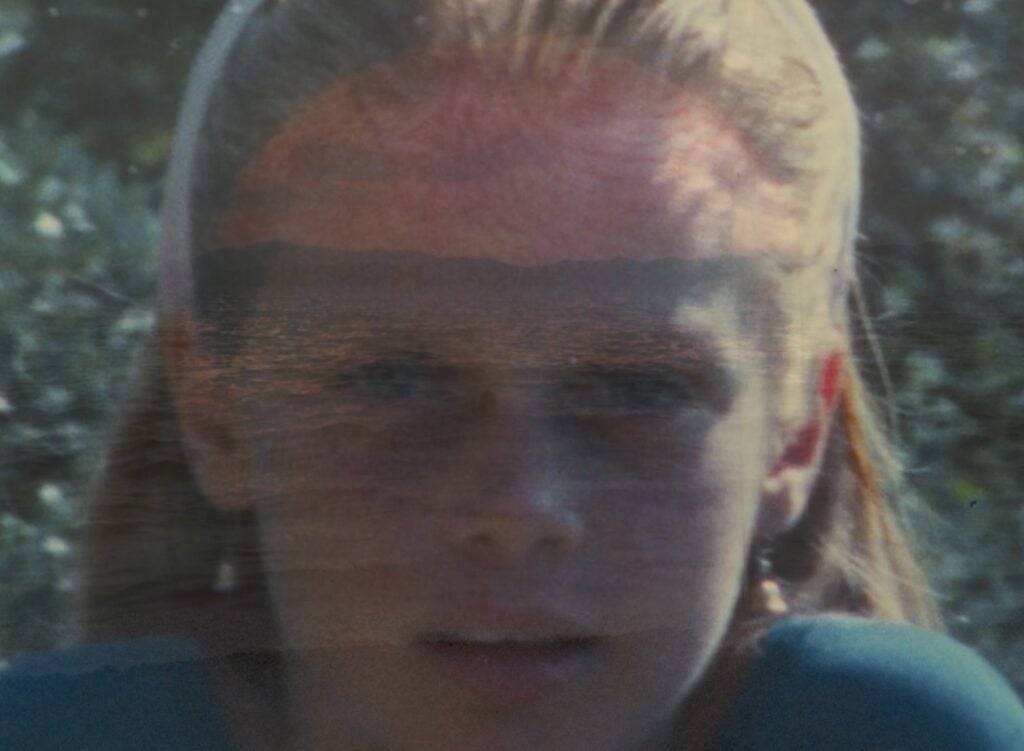
Be Merry sees Isaac return to Russell to sort fact from fiction, myth from reality, meeting some of the people who knew her mother in decades past.
Like the great Chantal Akerman final film, No Home Movie, Isaac’s portrait of motherhood is moving and raw, and a courageous act of confrontation and compassion.
Isaac, who is a senior lecturer at Toi Rauwhārangi, College of Creative Arts, Massey University, is now on her third feature film.
Be Merry follows Ms. Information (2023), selected for New Zealand International Film Festival (NZIFF) 2023, and Where There Is Life (2017), also selected for NZIFF in its year of release. It’s little wonder, then, that Isaac has been invited back to the festival for a third time, with Be Merry playing at SkyCity Theatre this Sunday (August 2nd).
I spoke with Isaac over email about her documentary, and she gave eloquent and forthright answers about her film, her relationship with her mother, Aotearoa’s film industry, and more. Read our full conversation below.
Find out more about Be Merry here.
Rolling Stone AU/NZ: What was it like growing up in Russell in the ‘80s?
Gwen Isaac: It was so exhilarating and uncontrolled — and wild. The parents were not necessarily parenting, and the children roamed free. It was all about nature, the sea, and having a creative identity. Life revolved around the pub, the boat club, and the local school. There wasn’t much in the way of shops, and we made our own fun back then.
I remember very colourful people coming through our home, and fresh fish and seafood. The pub was sometimes like the Once Were Warriors film but everyone knew each other’s business. The community was colourful but kept an eye on each other. There was a hangi (Māori traditional way of cooking) every Friday night at the school. We had access to so much natural beauty and the outdoors. Artists and rogues were not in short supply in Russell in the 1980s. The issue for me was that my mother was difficult and wild and attracted a lot of unwanted attention.
Was mental health much understood at that time in Aotearoa?
No, it really wasn’t, and I believe it was even more complicated for women, single mothers, and creatives. It became part of a ‘hysteria’ complex stigma, that was easy to apply to people who didn’t want to do normative and suburbia. They were easily othered, and my mother fit into this category perfectly. She needed help but had very specialised needs because she was super intelligent.
It was easier for people to just get the hell out of her way, because when she wasn’t on her meds (and even if she was) she could cut people down. As a child, there was nobody advocating for me — and I believe other children like me, in the ’80s and now, fall through the cracks because of this reason. I encounter people like my mother every week — and I see people turn their backs on them. But to me, they are us, and I give them all the time I can give them because I understand that the difficult part of them is armour they’ve grown to deal with the normative world.
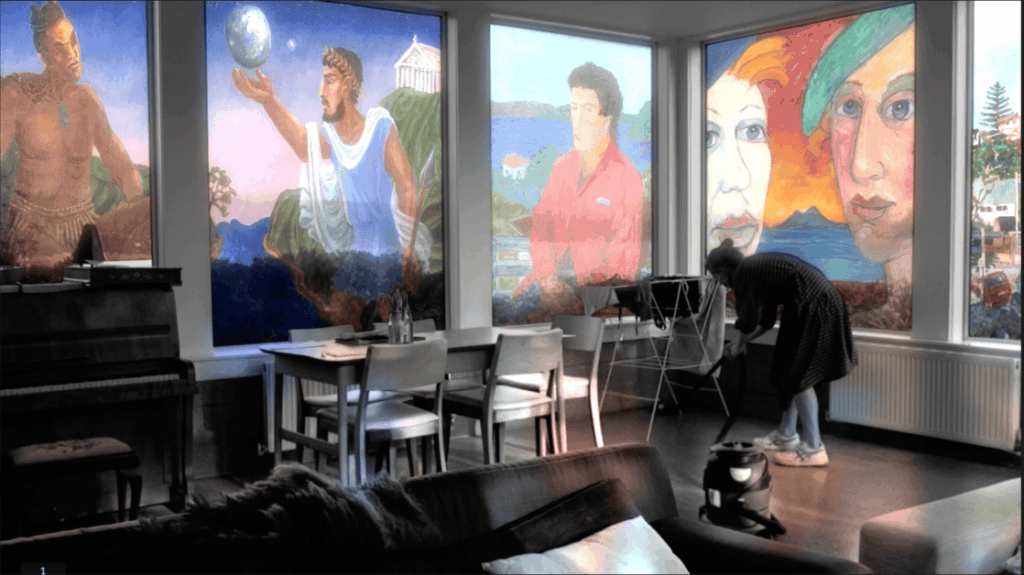
Is this your most personal work yet? How do you cope with giving so much of yourself and your life to art?
This is evisceratingly personal and my marketing campaign for it (privately) is, please don’t get see this film. I’m literally naked in it. Working with incredible musicians and women like Brooke Singer (French for Rabbits) and Becki Whitton (Aphir) has helped massively as they’ve always been like, ‘Go “vagina-out” Gwen, and don’t apologise.’ So I have their wind beneath my wings. Also, Melanie Graham the most amazing sound designer ever. My editor, Sydney-based John Silvester, has been the biggest cheerleader through this process, and I thank the goddesses for him.
Did you uncover anything unexpected while making the documentary?
I discovered that I was dealing with my mother, by replicating aspects of her mania towards my daughters, by obsessively recording them in every aspect of their lives over the five years I was filming. John saw this in the material — and it underlies one of the ongoing questions in the film, ‘is madness inherited’?
I grew up with that fear and I realised when I watched the early roughcuts, that this was [what] motivated my obsessive filming of my daughters, as if putting them under a microscope. The audience can decide for themselves if this is a valid concern… I also revisited my hometown and my mother’s friends from the way back, and unexpectedly discovered that I really liked and connected with them, in the same way my mother must have when she encountered this community.
Was your mother a talented artist in her own right?
I want the audience to decide that for me. I’m still on the fence. Some of her early work is stunning, and shows great promise.
What’s one thing you hope viewers get out of your film?
That they feel a bit more empathy for the single mothers they know, for the bipolar disorder sufferers in their orbit, and ultimately that they realise that creativity isn’t a choice, it’s in itself a compulsion that has its own complexities and challenges.
Who is your biggest filmmaking inspiration?
This film is informed by feminist first-person documentary filmmakers Chantal Akerman, Sarah Polley, and Barbara Hammer, who is more experimental than documentary. I’m grateful for the bravery of Pietra Brettkelly and Merata Mita, Aotearoa documentary filmmakers. Australian artist and documentary filmmaker Tracey Moffat intrigues me with her constructed portraits of reality.
Is there another Kiwi filmmaker coming through that you’re excited about?
Julie Zhu is incredible and I think will win an Oscar one day.
Tell me about being a working filmmaker in Aotearoa today. How do you find it?
I am going to be completely honest and say, I am a salaried academic so I’m not relying on my filmmaking efforts to pay my bills. But I have wildly talented filmmaker friends who are really struggling — at all stages of their career. I have concerns about how much risk and authorship documentary filmmakers can have in this funding climate.
Are funding opportunities easy or difficult to come by?
I have had a really wonderful experience of the NZ Film Commission this time round, my third feature film. My ambition for this film is European festivals — strategised so I gain more funding pathways internationally for future projects. Locally, it’s extremely competitive. Small country, small pond of funds. We need to attract more international funding pathways which I think greater minds than me are working on right now.
What one thing would you change about the Aotearoa film industry?
We need to fund the independent storyteller and back them knowing that if they are given some space, they will do amazing things and bring all the gang along with them. This per project thing is exhausting, like creating a startup every time you have a film idea.
What other films have you worked on in recent years?
Ms. Information came out in 2023, a feature documentary about Dr. Siouxsie Wiles who was the pink-haired microbiologist who got us through the pandemic by radically communicating the science and then became a target for viscous abuse that revealed a side of New Zealand bubbling under the tourist brochures. Available on DocPlay in Australia.
Do you have any future projects lined up?
I’ve got a secret film that I am starting to work on that is going to probably get me into serious trouble, on a number of fronts. But I think it is an important story to tell. My mother, and Siouxsie, would approve.
From Rolling Stone AU/NZ